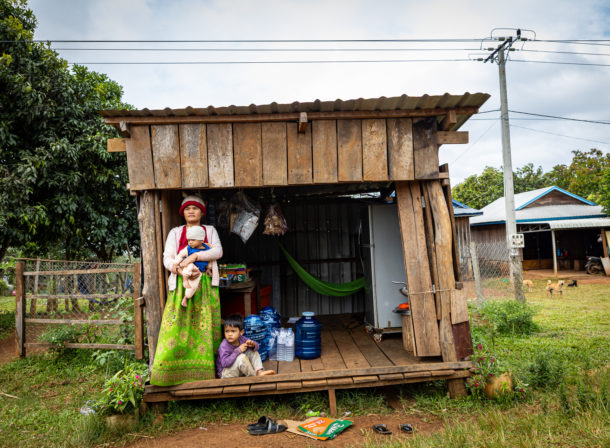
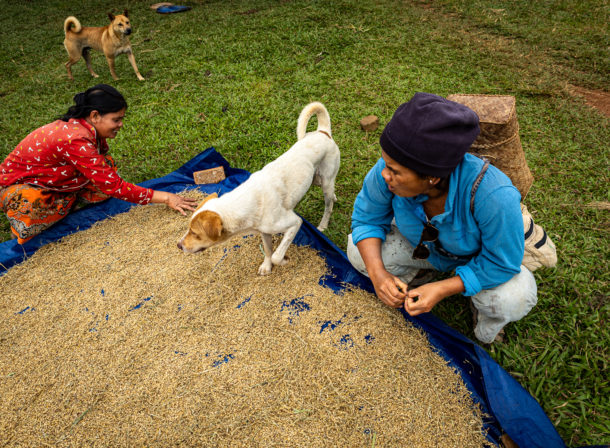
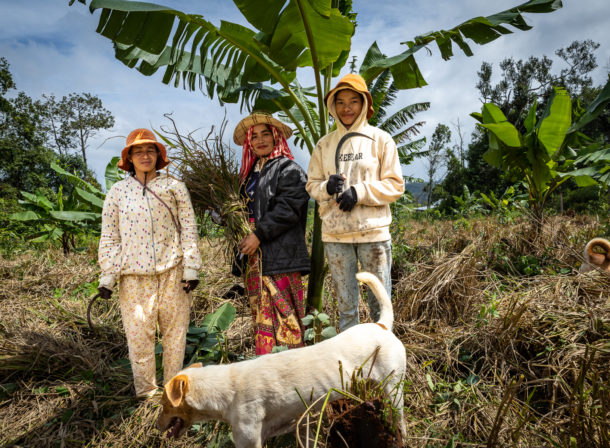
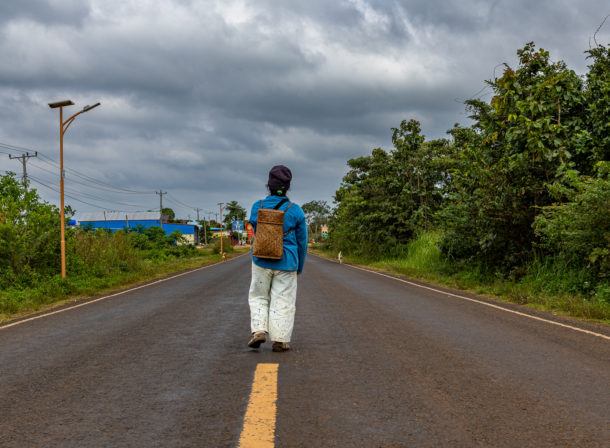
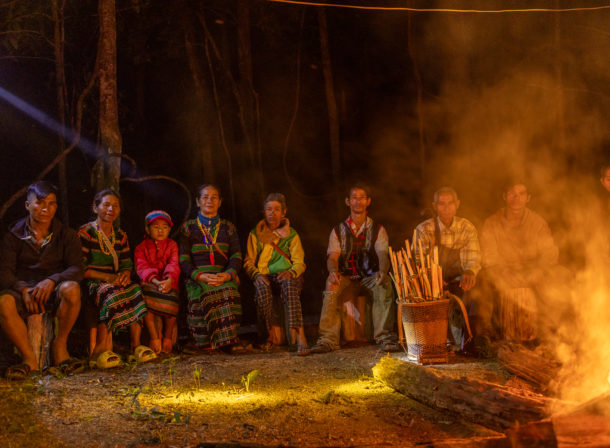
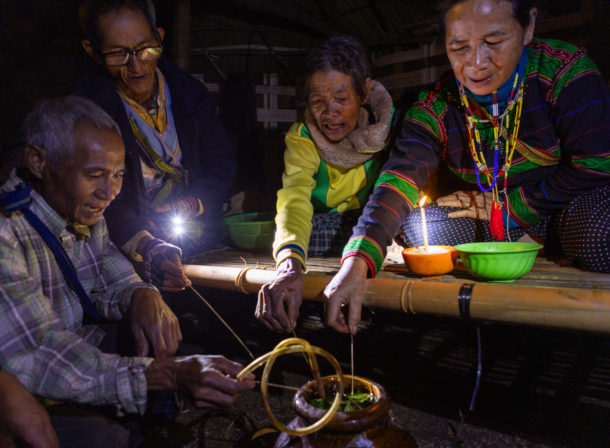
Lost in the midst of hundreds of islands and islets of the Bijagos archipelago, off the coast of Guinea Bissau, of which only twenty are inhabited, Canhabaque - 3,500 inhabitants - is known for a way of life from which modernity has taken nothing away from its traditional character. The island is said to be the first that the Bijago people, coming from the south of the continent, would have chosen to populate. According to the legend, the first bijago woman had four daughters at the origin of the four clans that form today’s bijago society (Oraga, Ominca, Ogubane and Orácuma). The belonging to the clan is transmitted matrilineally.
The Bijago are convinced that each person has a mission on earth, a vocation that is not their choice, but that God has revealed to them. To achieve this mission, the individual is helped by the female goddess Motó, whose domain is Earth, and by the male God Nindo who resides in Heaven.
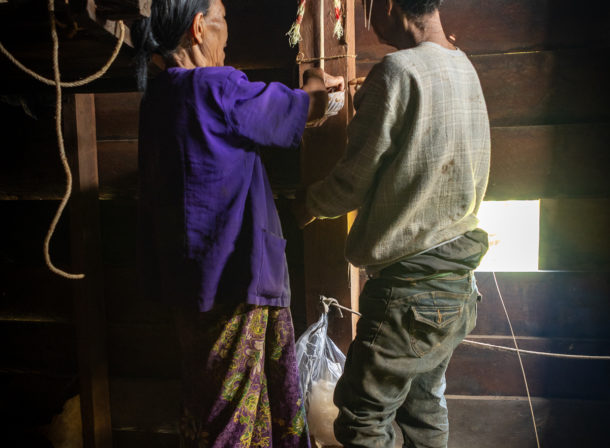
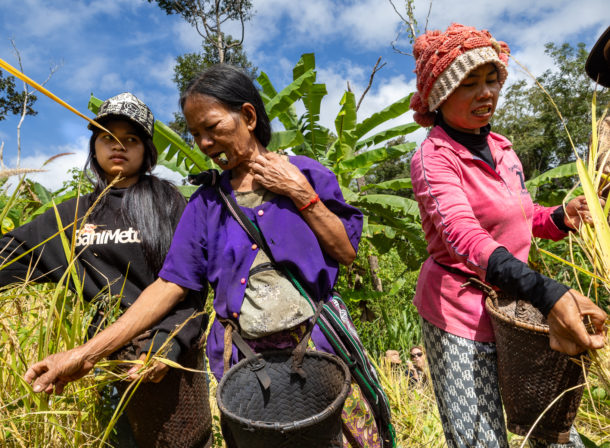
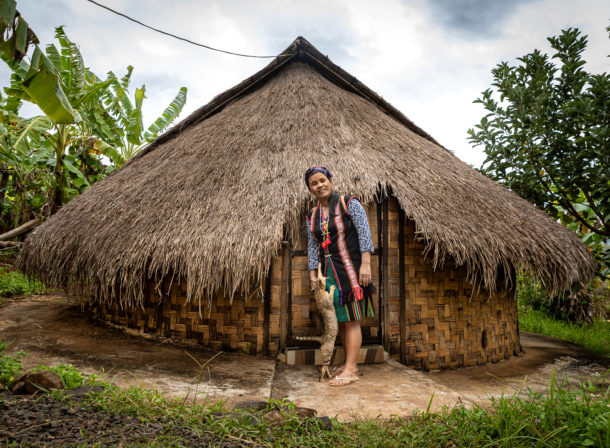
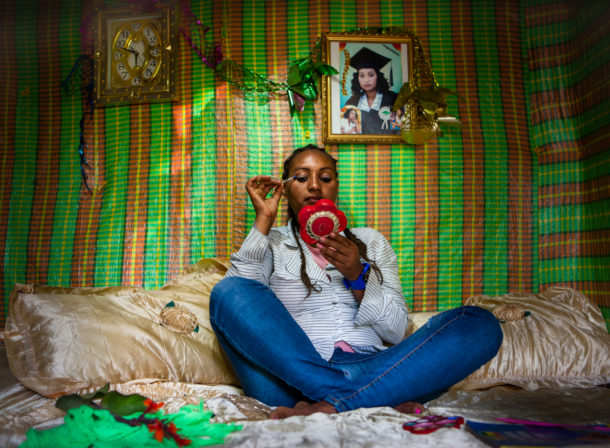
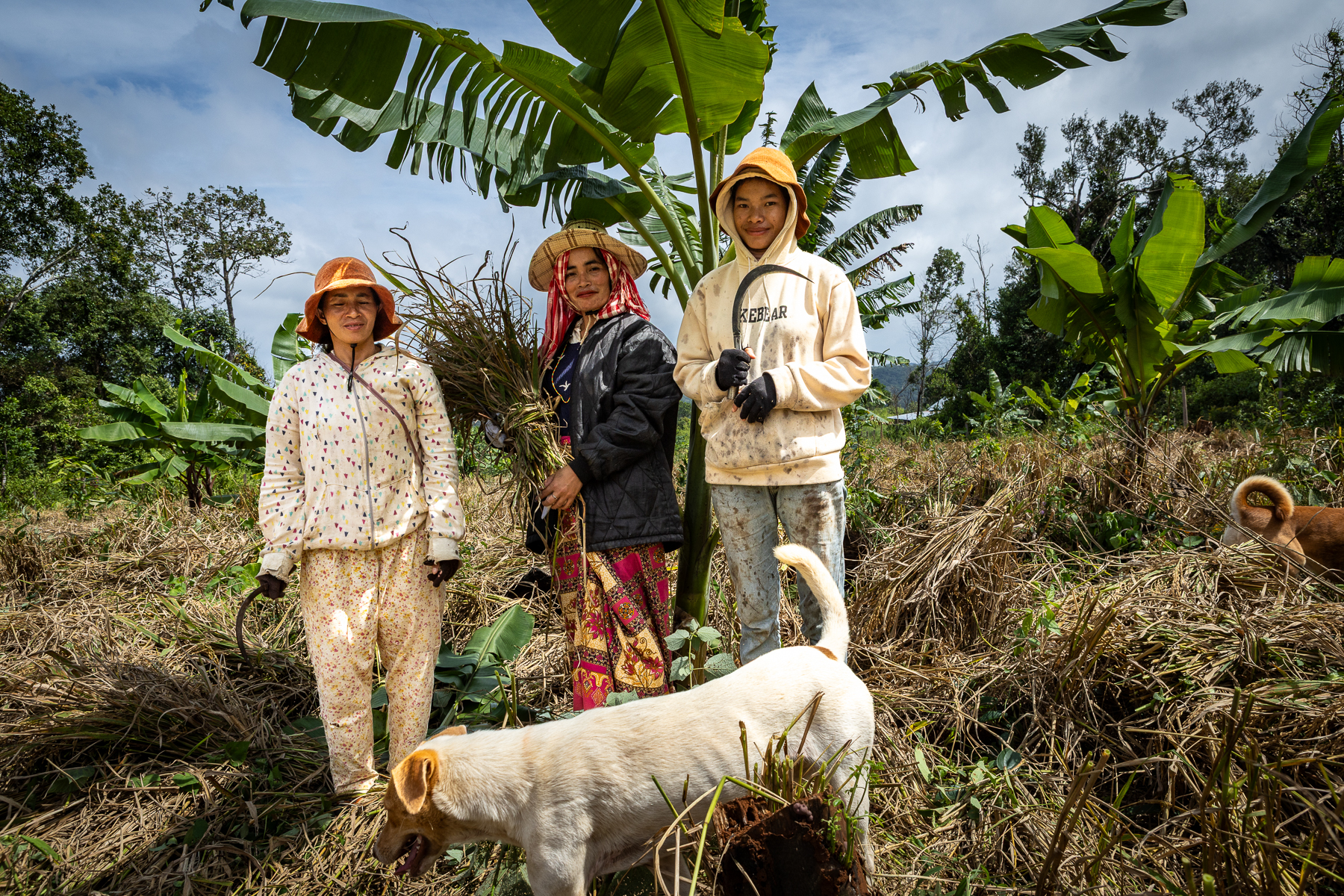
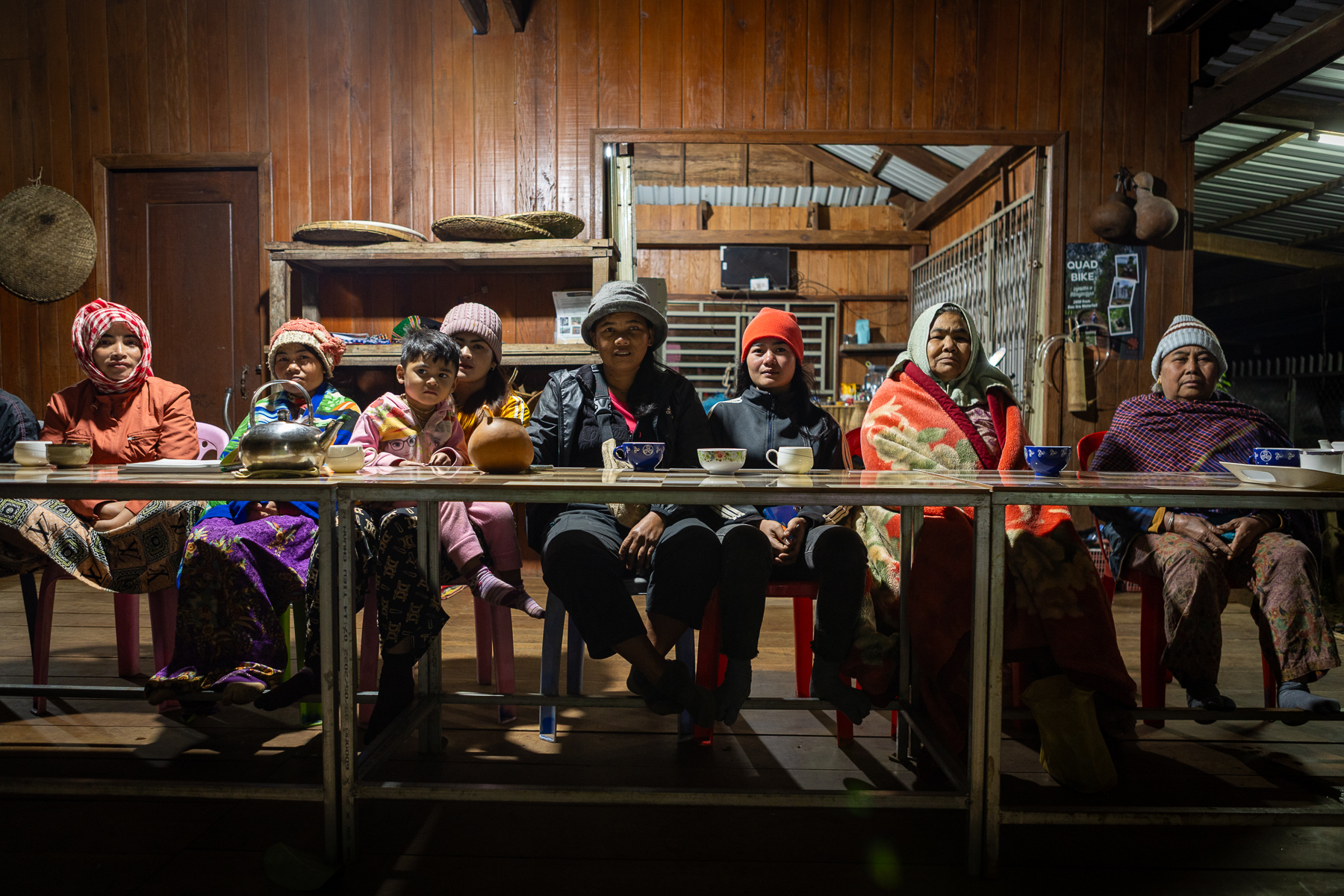
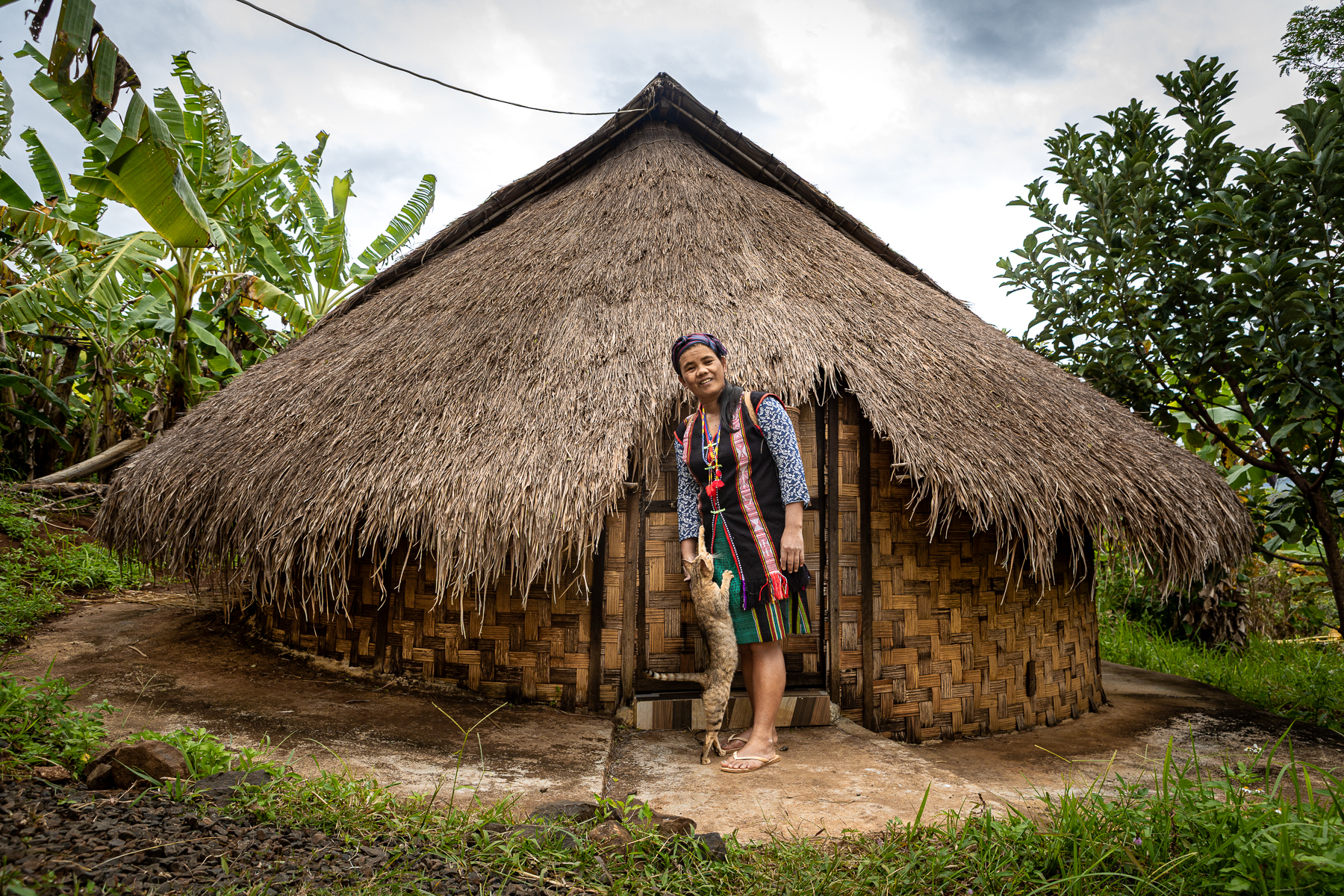
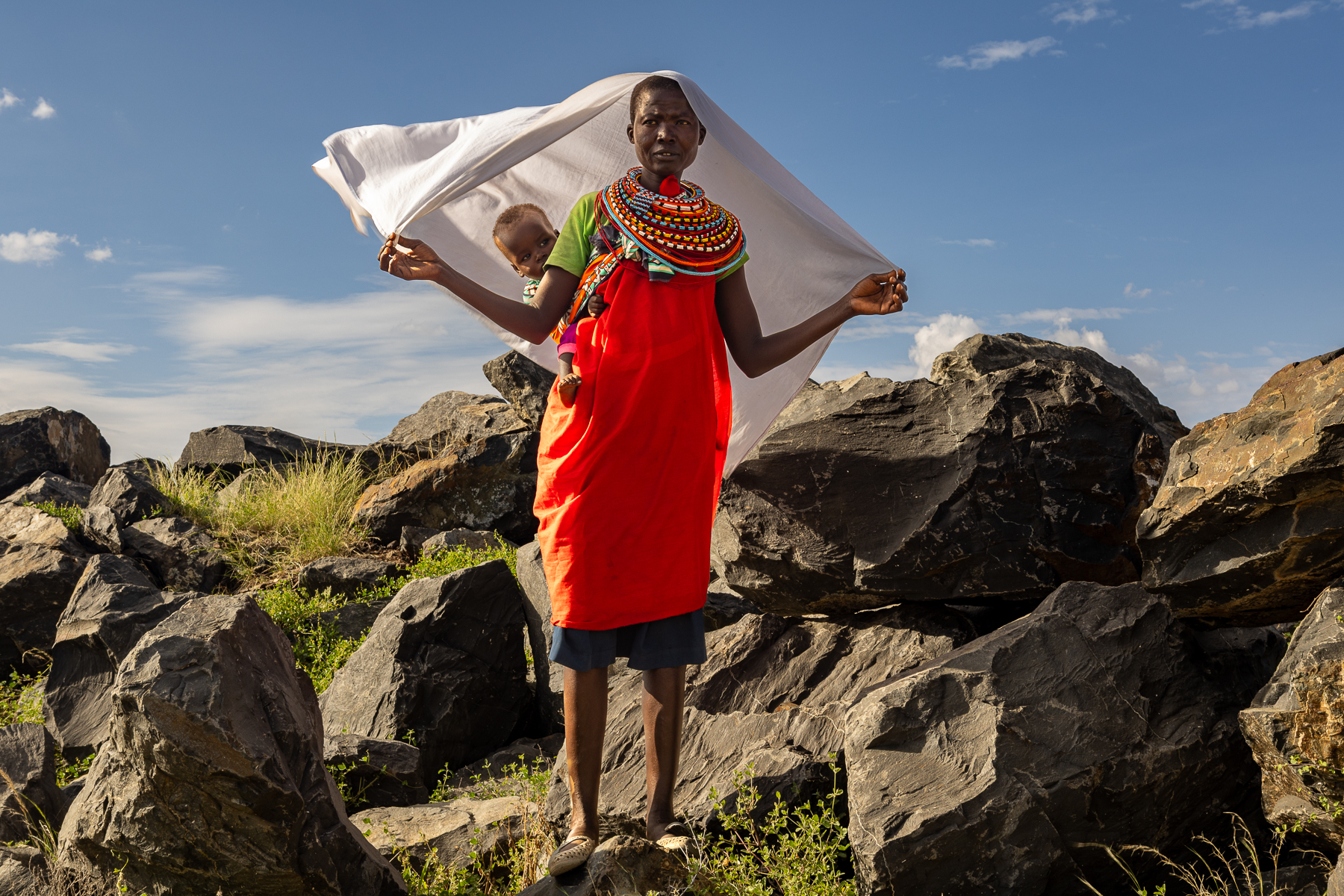
In Canhabaque, just like on the other islands of the archipelago, the woman is sovereign. She carries the strong and sacred values of the bijago culture. She chooses her companion, assigns her clan to her descendants, builds and owns the house that shelters her family, reigns over the spiritual world by welcoming the spirit of dead men into her, and manages the division of labor and the balance of power.
Finally, regardless of any personal conflicts, she ensures the safeguard of the bijago system, which has always been based on sharing and fairness. This is because the survival of the culture is based on two principles: the circulation of goods and spiritual forces between the young and the old, and between men and women. The Bijago call the vital principle that defines these links arebuko.